
What Size Storage Unit Do I Need?
One of the first questions people ask when considering self storage is, how much space do I actually need?
Choose a unit that's too small and getting everything inside becomes an impossible game of Tetris. Choose one that's much larger than you need and you could end up paying for space you're not using. The good news is that with a little planning, estimating how much storage space you need is much easier than you might think.
Start With What You're Storing
Before deciding on a storage unit, make a rough inventory of everything you want to put into storage. You don't necessarily need to list every individual box. Instead, think in groups such as:
- Living room furniture
- Beds and bedroom furniture
- Dining furniture
- Appliances
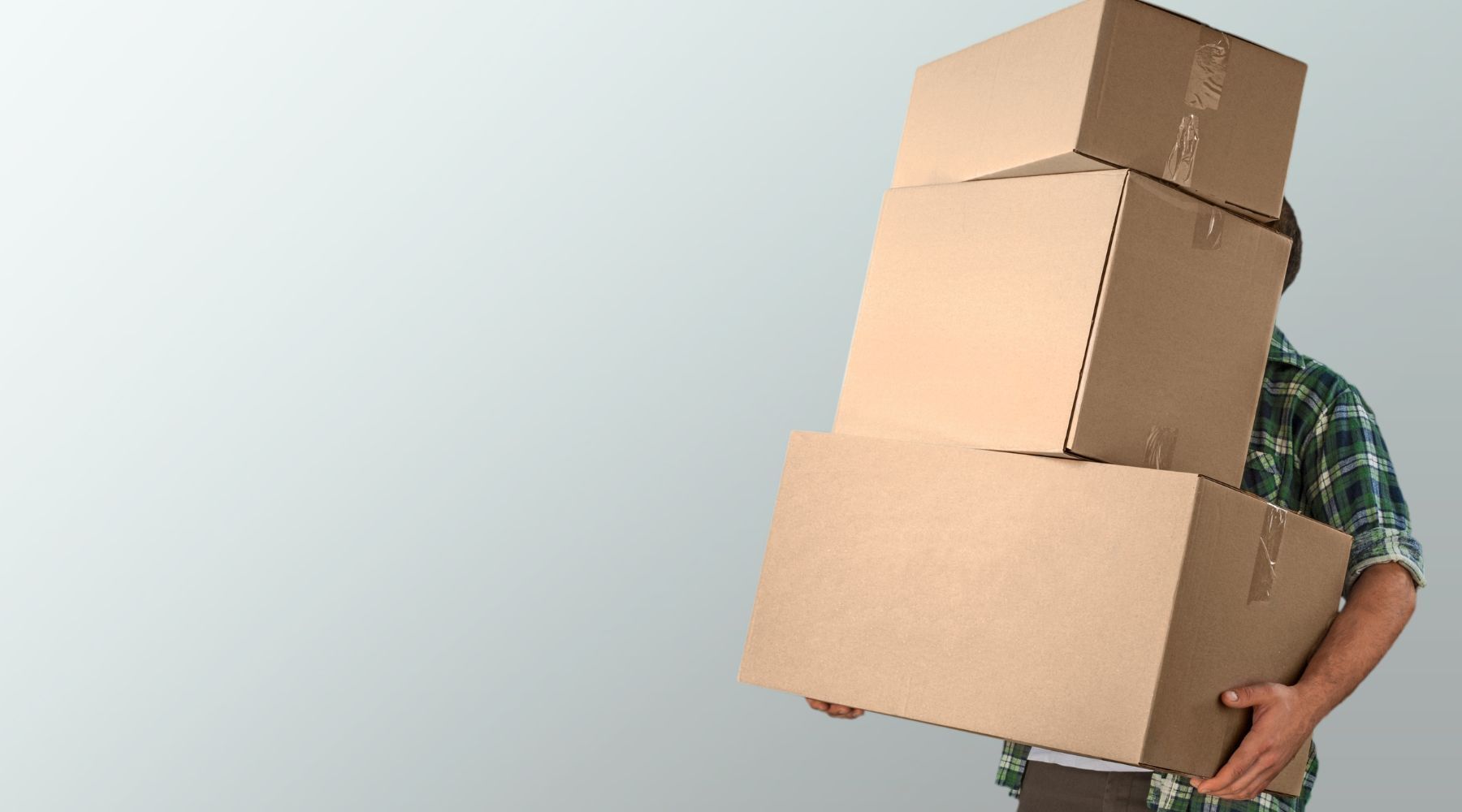
- Boxes and containers
- Sports or leisure equipment
- Business stock
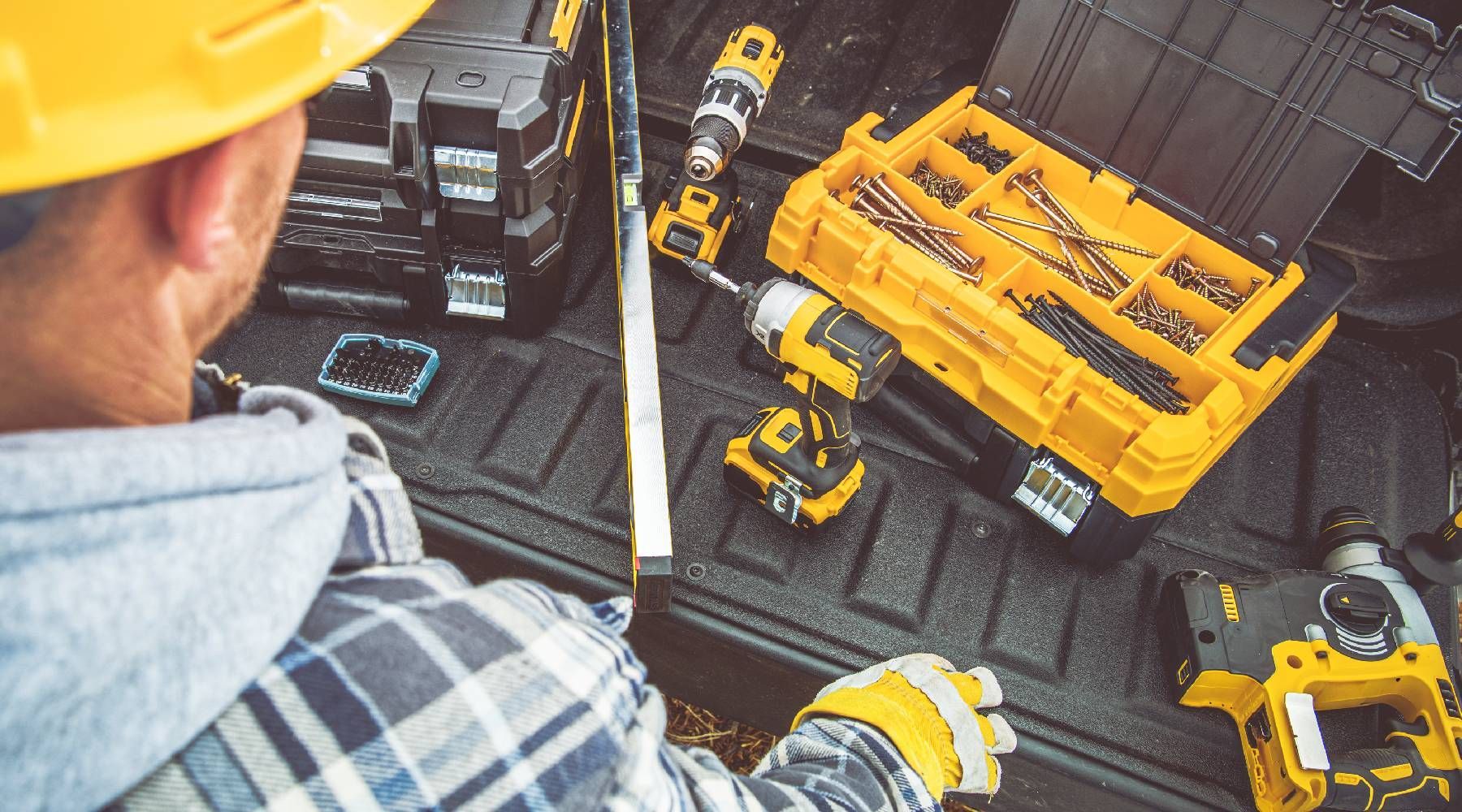
- Tools and equipment
- Seasonal items
Once you can see roughly what needs to be stored, it's much easier to visualise the amount of space required.
Think Vertically as Well as Horizontally
It's easy to judge a storage space purely by its floor area, but remember that a storage unit has height too. Stackable boxes and carefully arranged furniture can make surprisingly efficient use of the available space. Disassembling furniture can help as well. Removing table legs or dismantling bed frames and shelving can significantly reduce the amount of floor space they occupy. Just remember to keep fixings, screws and instructions safely labelled so you can put everything back together again!
Allow Space for Access
Do you need to access your belongings regularly? If you're simply storing furniture during a house move and won't need anything until the end, you can make maximum use of the unit by packing things relatively tightly.
If you're storing business stock, documents, seasonal belongings or anything you're likely to need regularly, it's worth leaving a small walkway through the unit.
You should also put frequently used items nearer the front so you don't have to empty half the unit every time you need something.
Storage for Moving House
Self storage can be particularly helpful when moving home, especially when moving dates don't line up perfectly.
If you're storing the contents of several rooms or an entire property, think carefully about larger pieces of furniture as well as the number of boxes you expect to have.
Packing efficiently can make a big difference, particularly if furniture can safely be dismantled before going into storage.
Storage for Business
Businesses often have slightly different requirements. You may be storing stock, equipment, archive documents, marketing materials or seasonal items rather than household furniture. It's worth considering not only how much space you need today, but how your requirements could change. If stock regularly comes in and out, for example, leaving enough room to organise and access it could be more useful than squeezing everything into the smallest possible space.
Don't Forget Those Awkward Items
Some belongings take up considerably more room than you'd expect. Bicycles, garden equipment, large chairs, shelving and unusually shaped furniture can all affect how efficiently your unit can be packed. When estimating your requirements, make sure you account for these bulkier or awkwardly shaped items rather than simply counting boxes.
A Little Planning Goes a Long Way
You don't need to be an expert at calculating cubic metres to choose a suitable storage unit. Start with a clear idea of what you're storing, consider how efficiently items can be stacked and decide whether you'll need regular access. From there, choosing the right amount of space becomes much simpler. And if you're still not sure, just ask.
At Stirling Storage Solutions, we're happy to help you work out the most suitable storage option for what you need, so you can get the space you require without overcomplicating things.
Get in touch with Stirling Storage Solutions today to find out more about our secure storage options in Stirling.